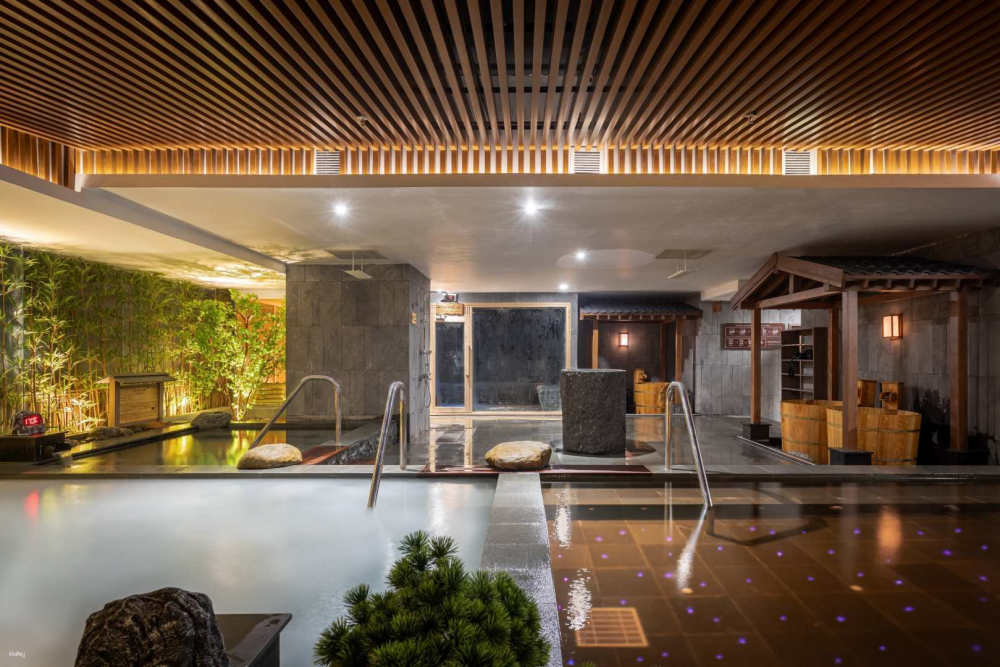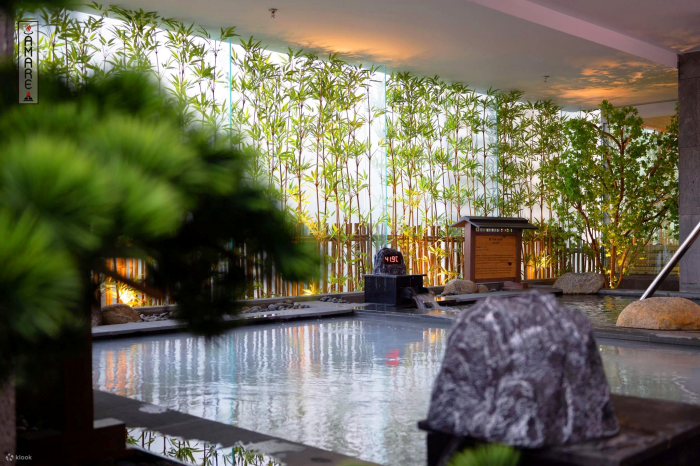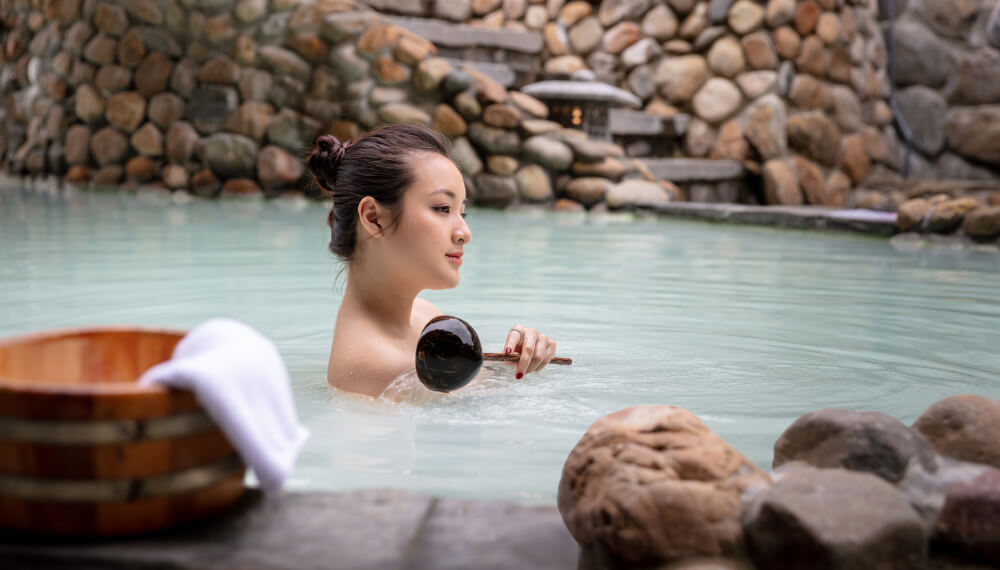
The Globalization of Onsen and Jjimjilbang in the Wellness Industry
As the global wellness industry continues to grow, traditional Asian bathing cultures are finding new life far beyond their origins. Among the most prominent are Onsen from Japan and Jjimjilbang from Korea—two distinct forms of heat-based therapy that are rapidly being adopted, reimagined, and globalized across the world. Their rise signals a shift in how we define wellness, embracing rituals that prioritize natural healing, community, and holistic design.
1. From Local Tradition to Global Trend
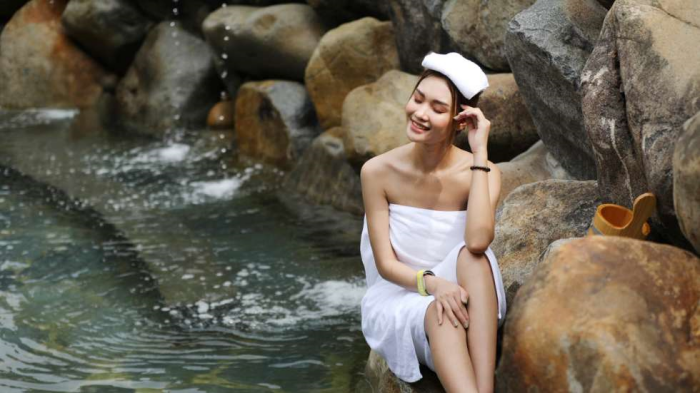
For centuries, Onsen and Jjimjilbang were deeply embedded in Japanese and Korean daily life. Onsen—geothermal hot spring baths infused with minerals—offered physical and spiritual purification. Jjimjilbang—multi-purpose Korean sauna complexes—provided urban dwellers a place to sweat, rest, and connect.
In the past two decades, as global interest in wellness tourism, natural therapies, and mindful living has surged, these practices have moved beyond borders. Resorts, spas, and wellness centers worldwide are now adapting Onsen and Jjimjilbang concepts to meet international demand.
2. The Appeal of Authentic Heat Therapy
Why are these models resonating globally?
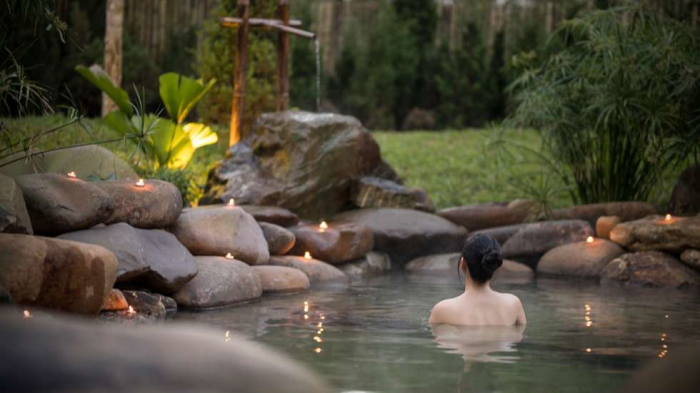
Onsen offers a tranquil, nature-based escape that promotes deep relaxation, detoxification, and mental clarity. Its use of mineral-rich water aligns with modern interest in balneotherapy and natural skin care.
Jjimjilbang, with its combination of dry saunas, communal spaces, sleeping zones, and food courts, appeals to those seeking a more social, affordable, and multi-functional wellness experience.
These formats offer something the modern spa often lacks: ritual, culture, and a sense of place.
3. Adaptations Around the World
Across the globe, spas are introducing Onsen-style baths and Jjimjilbang-inspired facilities, often with localized modifications:
In the United States, Korean spas such as Wi Spa (Los Angeles) and King Spa (Chicago, Dallas) attract thousands with 24-hour service and themed sauna rooms.
In Vietnam, high-end wellness destinations like Yoko Onsen Quang Hanh and Alba Wellness Valley recreate Japanese Onsen rituals with modern luxury.
In Europe, wellness hotels are incorporating Japanese soaking tubs, Zen gardens, and charcoal or salt rooms into their spa menus.
While authenticity is a challenge, many operators aim to honor the original spirit of these traditions while catering to local preferences.
4. Challenges and Opportunities
With globalization comes responsibility. Preserving cultural integrity while modernizing experience is key. Wellness seekers want more than a spa—they want a story, a cultural connection, and an environment that feels intentional.
There’s also opportunity in fusion wellness: combining Onsen with yoga, or Jjimjilbang with sound therapy and herbal treatments, creating hybrid models that reflect the evolving needs of global consumers.
Conclusion
The globalization of Onsen and Jjimjilbang reflects a broader trend: the desire for meaningful, immersive wellness rooted in culture and tradition. As these experiences continue to evolve across continents, they remind us that healing isn’t only about what we do—it’s also about how, where, and why we do it.
In a noisy, high-tech world, the quiet heat of an Onsen or the communal warmth of a Jjimjilbang may just be what we all need.