Designing Onsen and Jjimjilbang Spaces – Embracing the Philosophy of Healing Through Environment
In the fast-paced world of today, wellness is no longer limited to treatments or therapies—it’s a lifestyle deeply rooted in the spaces we inhabit. Nowhere is this more evident than in the architectural and interior design of Onsen (Japan) and Jjimjilbang (Korea), two traditional wellness models that embody the philosophy of “healing through environment.”
Both types of spaces go beyond physical function to nurture mental, emotional, and even spiritual well-being. Let’s explore how their design principles reflect this profound healing philosophy.
1. Onsen – Tranquility in Nature
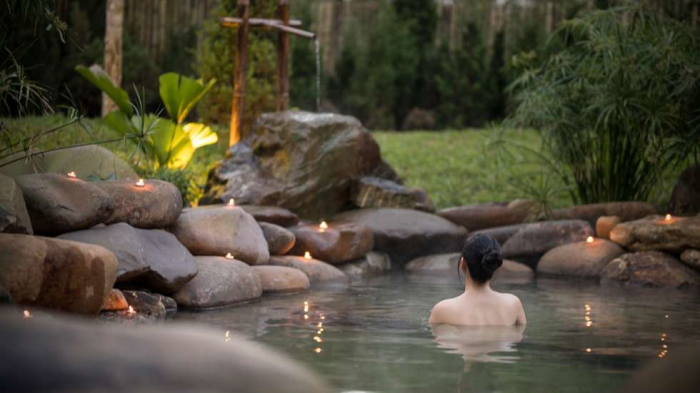
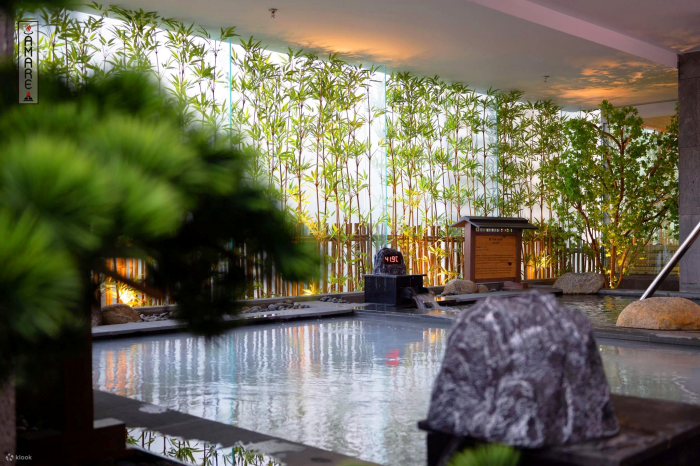
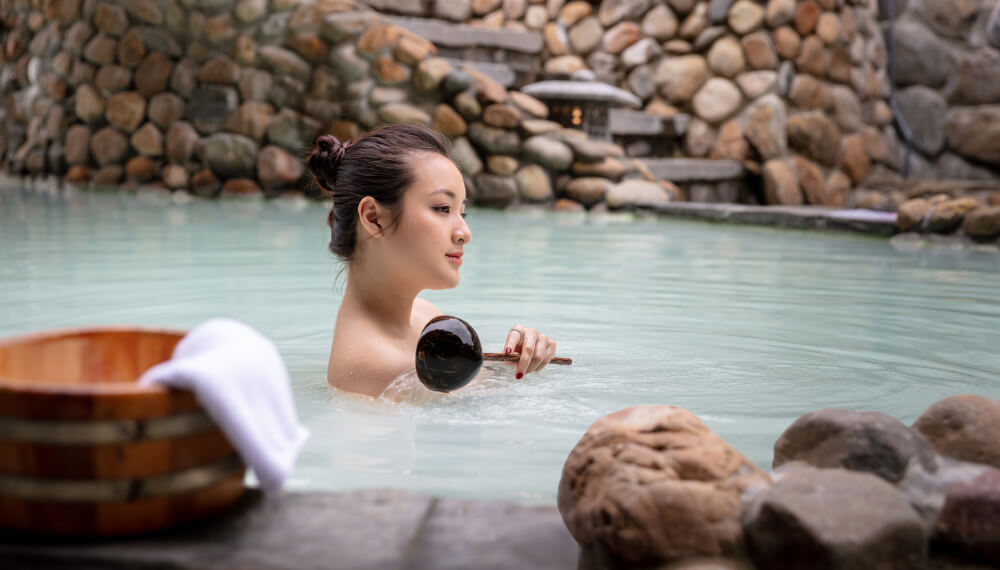
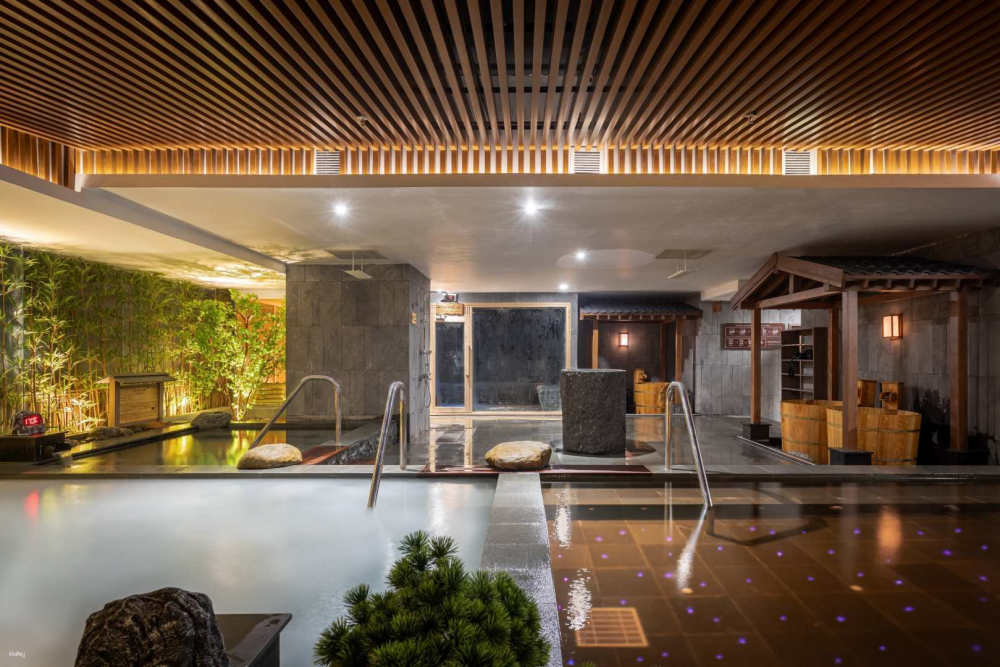
The design of an Onsen revolves around minimalism, silence, and connection to nature. Typically located in mountainous or forested areas, Onsen facilities are built to harmonize with the natural landscape rather than dominate it. Materials such as cedar wood, natural stone, bamboo, and flowing water are commonly used, enhancing the sensory experience of stillness and warmth.
Outdoor baths, or rotenburo, are often framed with views of mountains, cherry blossoms, or snow, inviting the bather into a state of mindfulness. Indoor areas feature soft lighting, natural textures, and low seating—inviting stillness and presence.
The entire Onsen environment encourages guests to slow down, disconnect from technology, and find peace in simplicity. It’s architecture as meditation—every element designed to soothe the senses and reconnect us with the earth.
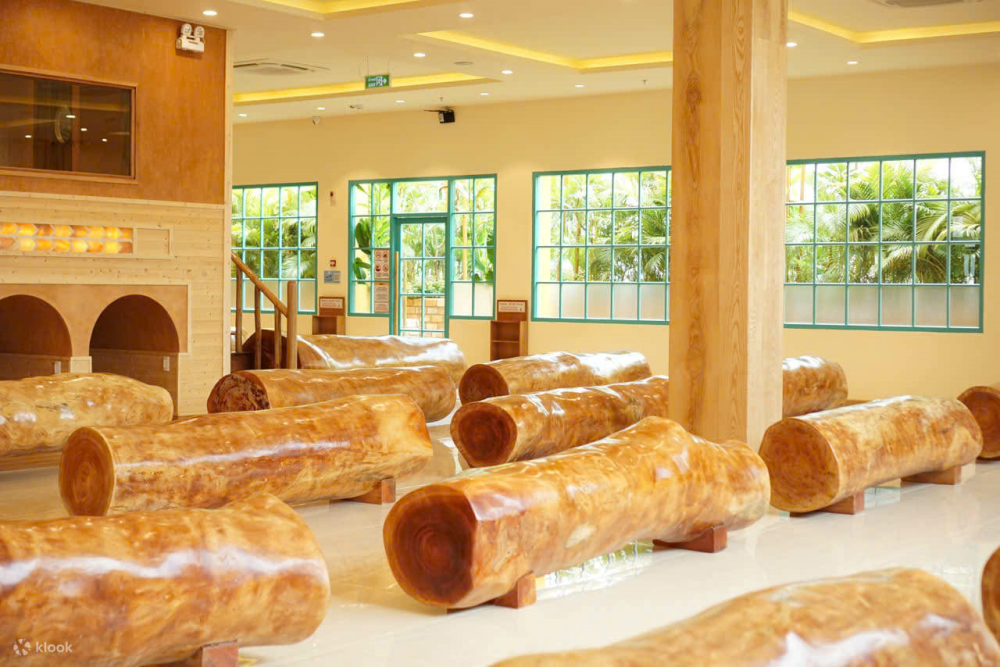
2. Jjimjilbang – Community and Comfort in Warmth
While Onsen focuses on solitude and nature, Jjimjilbang embraces community, variety, and warmth. These multi-story wellness hubs are often located in urban centers, offering both retreat and entertainment.
Design-wise, Jjimjilbangs are zoned into distinct experiences:
Themed heat rooms made from Himalayan salt, red clay, or charcoal.
Sleeping caves with curved, cocoon-like interiors.
Open lounges with televisions, books, and mats for resting.
Bright food courts offering traditional snacks and herbal drinks.
Natural elements are still present—wooden panels, warm earthy tones, and heated floors—but the atmosphere is more interactive and inclusive. Lighting is gentle but social, allowing connection without overstimulation. It’s a design philosophy built on shared comfort and collective healing.
3. Healing Through Environmental Awareness
Both Onsen and Jjimjilbang demonstrate that wellness is not just about the service, but the space. The textures you touch, the sounds you hear, the colors you see—all contribute to how the body and mind respond.
By integrating biophilic design, traditional materials, spatial flow, and intentional zoning, these spaces gently guide guests into a healing rhythm—where stress dissolves and balance is restored.
Conclusion
The design of Onsen and Jjimjilbang isn’t just aesthetic—it’s therapeutic. These environments are living examples of how architecture and wellness can co-create powerful, lasting healing. Whether through stillness in nature or warmth in community, the spaces we enter shape the way we feel, think, and heal.
If we begin to design our lives like an Onsen or Jjimjilbang—purposeful, natural, and nurturing—we, too, can begin to heal by simply existing in the right space.