Onsen – The Art of Therapeutic Hot Spring Bathing in Japan
In Japanese culture, Onsen is more than just a hot spring bath—it’s a way of life, a time-honored method of natural healing and deep relaxation. For centuries, the Japanese have embraced Onsen as a ritual that nurtures both body and mind, combining nature, mindfulness, and wellness into a singular cultural experience.
1. What is Onsen?
“Onsen” (温泉) translates literally to “hot spring” in Japanese. Due to its location on the Pacific Ring of Fire, Japan is home to over 3,000 natural hot springs, many enriched with minerals such as sulfur, sodium, calcium, bicarbonate, and iron—formed from underground geothermal activity.
These mineral-rich waters typically reach temperatures above 25°C and are known to improve circulation, relieve joint and muscle pain, detox the body, and enhance skin health.
Historically, Japanese people have used hot springs for healing, cleansing, and rejuvenation. This tradition laid the foundation for the Onsen culture we know today.
2. Unique Aspects of Onsen Culture
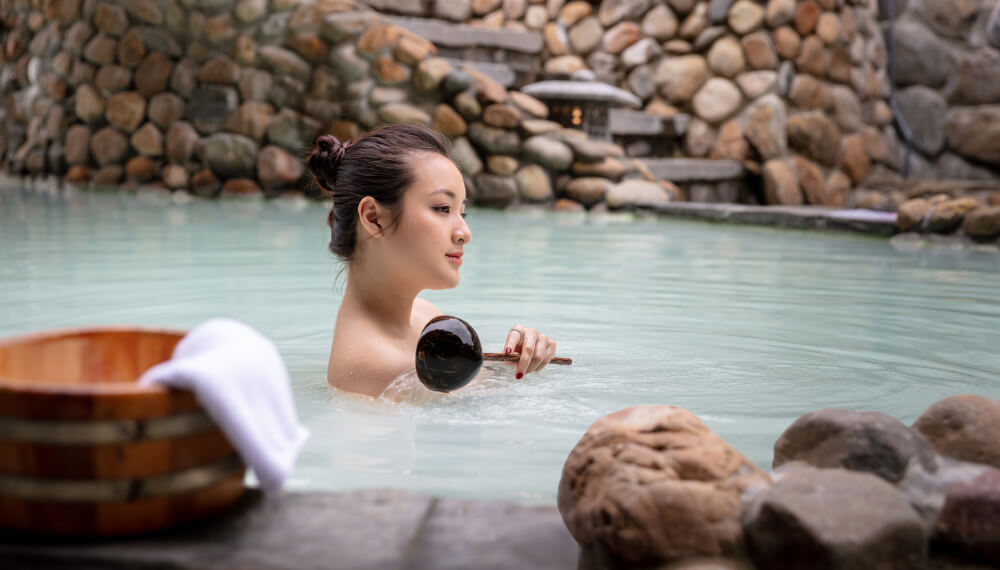
Onsen bathing is both a physical and spiritual experience. Several customs and unwritten rules define the traditional Onsen experience:
No clothing allowed
Perhaps the most surprising aspect for foreigners: bathing is done naked, even in public baths. This reflects a philosophy of equality and honesty—everyone is the same in the bath, free of status and pretense.
Shower before entering the bath
Cleanliness is sacred in Japan. Visitors must thoroughly wash and rinse themselves before entering the hot spring to maintain the purity of the water and respect others.
Quiet, mindful environment
Unlike modern spas with music or conversation, most Onsen are places of peace and stillness. Guests are encouraged to reflect, breathe deeply, and connect with the sounds of nature—the wind, water, and silence.
No diving or splashing
Bathing is for relaxation, not play. Swimming or splashing is considered rude and disruptive in an Onsen.
3. Types of Onsen and Their Healing Properties
Japan has hundreds of Onsen types, categorized by mineral content, temperature, and geography. Each offers unique benefits for wellness:
Sulfur Onsen: Helps treat skin conditions, arthritis, and improves blood circulation.
Salt Onsen: Warms the body deeply, great for cold extremities, soothes nerves.
Bicarbonate Onsen: Naturally exfoliates and softens skin, popular for beauty care.
Iron Onsen: Ideal for women with anemia or chronic fatigue.
Some Onsen are slightly acidic or alkaline, offering antibacterial properties and benefits for sensitive skin.
4. Onsen Spaces – A Harmony of Nature and Zen Architecture
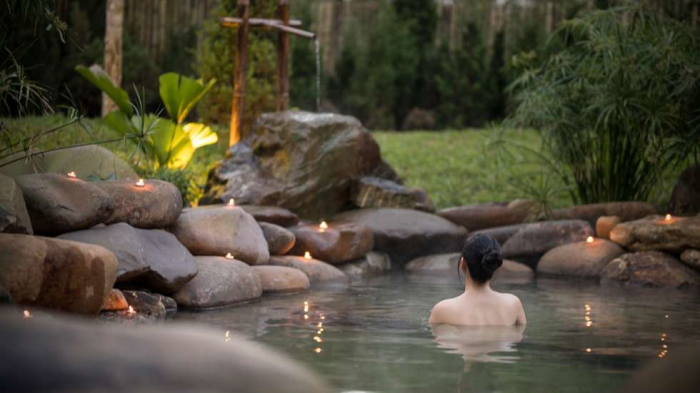
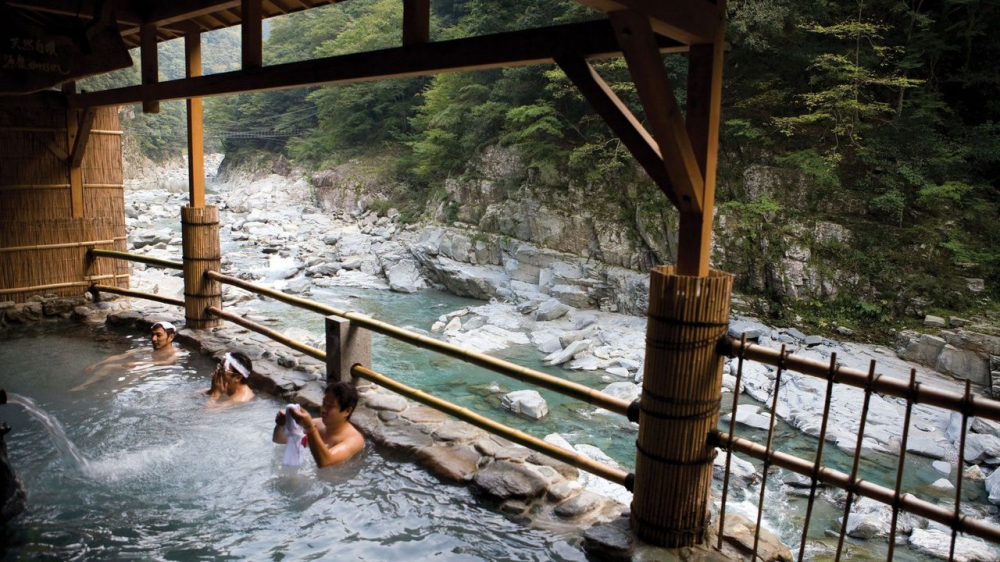
What makes the Onsen experience truly unforgettable is the natural setting and serene design. Many Onsen are built in the mountains, by rivers, or overlooking the sea. From a warm outdoor bath, you can enjoy cherry blossoms in spring, vibrant red leaves in autumn, or snow-covered landscapes in winter.
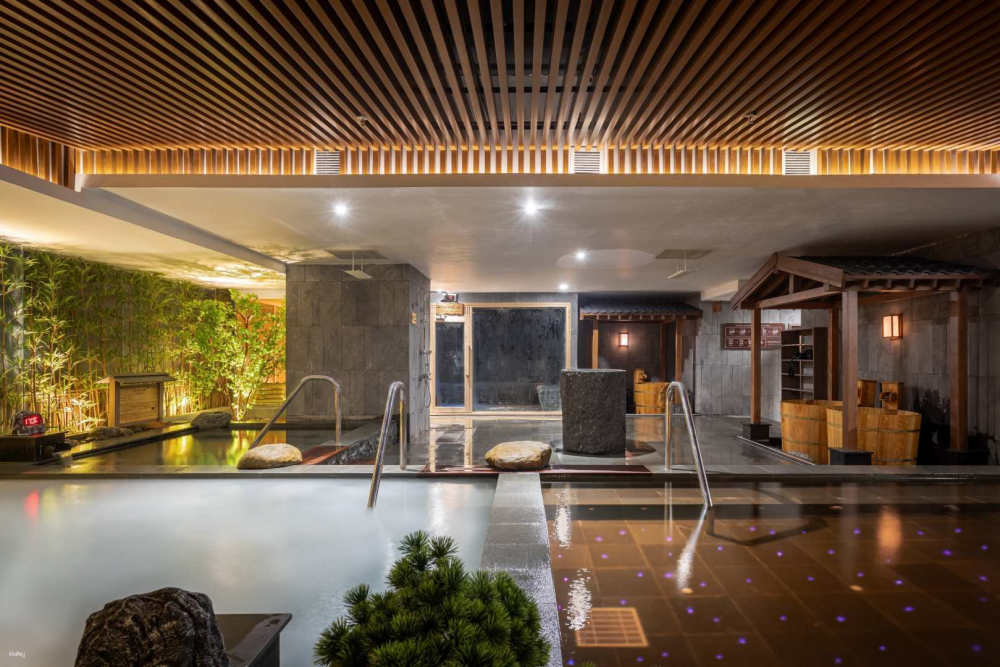
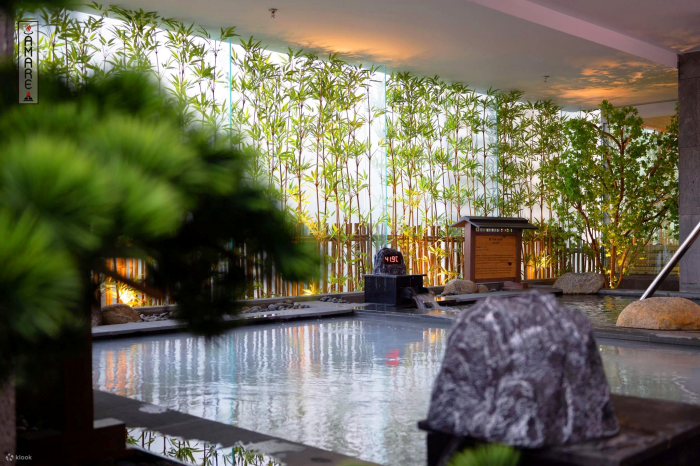
Architecturally, Onsen resorts embrace minimalism and natural materials—wood, stone, bamboo—along with soft lighting and open-air views. The goal is to calm the mind and allow nature to do the healing. Many facilities also include relaxation lounges, tea rooms, and meditation spaces, creating a holistic retreat.
5. Onsen in Modern Life and Japanese Tourism
Today, Onsen remains an essential part of daily wellness and tourism in Japan. Millions of people, both locals and visitors, visit Onsen each year to reset their minds and bodies.
Japan boasts entire Onsen towns, with streets lined with public baths, ryokan (traditional inns), and spa facilities. Notable examples include:
Hakone Onsen – Close to Tokyo, offering views of Mount Fuji.
Beppu & Yufuin (Kyushu) – Famous for geothermal springs and therapeutic services.
Kusatsu Onsen (Gunma) – Ranked among Japan’s best Onsen for healing properties.
In addition to tourism, many wellness resorts and even hospitals in Japan now include Onsen in comprehensive health programs, combining hot spring therapy with detox meals, yoga, or mental health care.
6. Onsen and Global Wellness Trends
The Onsen concept is now gaining popularity around the world. Countries such as Korea, the U.S., Germany, and even Vietnam have adopted or reimagined the Onsen model. In Vietnam, notable examples include Yoko Onsen Quang Hanh (Quang Ninh) and Alba Wellness Valley (Hue).
Modern Onsen-style spas often integrate advanced technology like temperature control, mineral infusion, and immersive landscape design to replicate the healing environment of Japan’s natural springs.
This global expansion reflects the growing demand for natural, holistic wellness experiences—and Onsen stands at the center of that movement.
Conclusion
Onsen is more than a hot spring—it is a sacred Japanese tradition rooted in nature, simplicity, and mindfulness. Whether you’re a traveler exploring Japanese culture or someone seeking a deeper connection with your body and soul, the Onsen experience offers a powerful path to wellness and self-healing.
As the world embraces wellness tourism and natural therapies, Onsen remains a shining example of how healing can come from the earth, water, and a return to stillness—a precious legacy from the Land of the Rising Sun.